 08045475589
 English
 Spanish
 French
 German
 Italian
 Chinese (Simplified)
 Japanese
 Korean
 Arabic
 Portuguese
 Get a Quote

 Send Inquiry
Optical Whitening Agent
MOQ : 50 Kilograms
Optical Whitening Agent Specification
- Shelf Life
- 2 Years
- Rubbing Resistance
- Good
- Taste
- Odorless
- Solubility
- Easily soluble in water
- Solvent Color
- Colorless to Slightly Yellowish
- Poisonous
- Yes
- Smell
- Odorless
- Melting Point
- Above 300C (Decomposes)
- Moisture (%)
- 5%
- Molecular Formula
- C28H20S2O6Na2
- Shape
- Powder
- Resistance
- Good Resistance to Alkali and Acids
- Ph Level
- ~7 (Neutral)
- Water Resistant
- Yes
- Density
- 0.8 Gram per cubic centimeter(g/cm3)
- EINECS No
- 230-426-4
- Chemical Name
- 4,4-Bis(2-sulfostyryl)biphenyl
- CAS No
- 7128-64-5
- Type
- Fluorescent Optical Brightener
- Usage
- Textile, Paper, Detergent, Plastic, Leather, Paint
- Purity(%)
- 99%
- Application
- Whitening and Brightening
- Appearance
- Yellowish Powder
- Physical Form
- Powder
- Grade
- Industrial Grade
- Packaging Size
- 25 kg Bags or Customized
- Dispersibility
- Highly Dispersible in Water
- Heat Stability
- Stable up to 220°C
- Safety
- Handle with Suitable Protective Wear
- Compatibility
- Suitable for Cellulosic and Synthetic Fibers
- Storage
- Keep in a Cool, Dry Place
- Environmental Impact
- Environmentally Friendly When Used as Directed
- UV Absorption
- High
- Ionic Nature
- Anionic
Optical Whitening Agent Trade Information
- Minimum Order Quantity
- 50 Kilograms
- Supply Ability
- 1000 Kilograms Per Month
- Delivery Time
- 1 Week
About Optical Whitening Agent
Optical Whitening agents are the chemicals, which are added to silk blouses, linen slacks, underwear etc. These make use of the process of fluorescence and make the clothes whiter and brighter than they are. They are functional as the fluorescent brightening compounds, the chemical compounds which provide a whitening effect to several fabrics. Optical Whitening agents can absorb the light in the ultraviolet or blue region. They are also added to detergents for giving them the whitening quality.
Key Benefits and Application Versatility
This optical whitening agent offers outstanding performance in brightening and whitening across a diverse range of industries, including textiles, paper, detergents, plastics, leather, and paint. Its high purity, effective UV absorption, and compatibility with both cellulosic and synthetic fibers ensure consistent results. Due to its high dispersibility in water and excellent heat stability, it integrates seamlessly into most manufacturing processes, boosting visual appeal and perceived product quality.
Safe Handling and Environmental Advantage
Classified as non-toxic and odorless, this product is safe for users when handled with suitable protective gear. Its formulation ensures minimal environmental impact when used as recommended. Furthermore, it showcases good resistance to acids and alkalis, is water-resistant, and maintains effectiveness even at elevated temperatures, making it a reliable choice for industrial applications.
FAQs of Optical Whitening Agent:
Q: How should Optical Whitening Agent with UV absorption be stored for optimal shelf life?
A: This product should be kept in a cool, dry place, away from direct sunlight and moisture to maintain its efficacy and achieve its full 2-year shelf life.Q: What processes is this Optical Whitening Agent suitable for?
A: It is compatible with various processes involving cellulosic and synthetic fibers and can be incorporated into textile, paper, detergent, plastic, leather, and paint manufacturing, providing excellent dispersibility and whitening.Q: When is the optimal stage to add the optical brightener during production?
A: Typically, the agent should be introduced during the aqueous treatment or finishing phase when processing textiles or papers, ensuring even distribution and optimal brightening results.Q: Where can this optical whitening agent be applied for best results?
A: Optimal application areas include textiles, paper, detergents, plastics, leather goods, and paintsanywhere whitening or brightness enhancement is desired for improved product aesthetics.Q: What are the key benefits of using this fluorescent optical brightener?
A: Key advantages include its high whitening efficiency, compatibility with a wide range of fibers and materials, resistance to heat, acids, and alkalis, and its environmentally friendly, non-toxic formulation.Q: How environmentally safe is this Optical Whitening Agent?
A: When used as directed, the agent exhibits a low environmental impact. It is formulated to be safe for responsible industrial use without significantly harming ecosystems.Q: What safety precautions should be taken during handling and use?
A: Although it is non-toxic and odorless, appropriate protective wear, such as gloves and masks, is recommended to avoid inhalation of dust or prolonged skin contact during handling.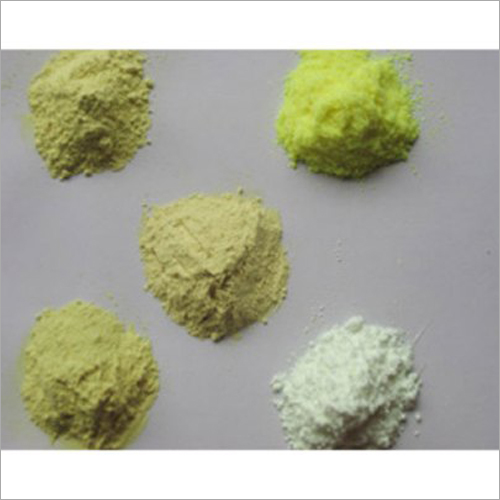
Tell us about your requirement

Price:
Quantity
Select Unit
- 50
- 100
- 200
- 250
- 500
- 1000+
Additional detail
Mobile number
Email

More Products in Optical Brighteners For Plastic Industry Category
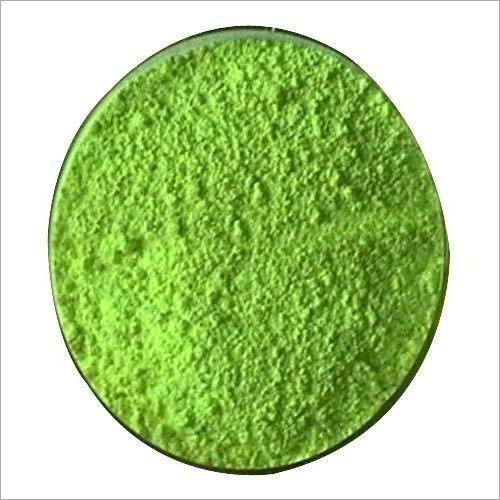
Optical Brightener Ob 1
Price 300 INR / Kilograms
Minimum Order Quantity : 50 Kilograms, ,
Poisonous : Yes
CAS No : 1533455
Usage : Other, Textile, Plastic, Polyester, and Polymer Industry
Solvent Color : YellowGreen
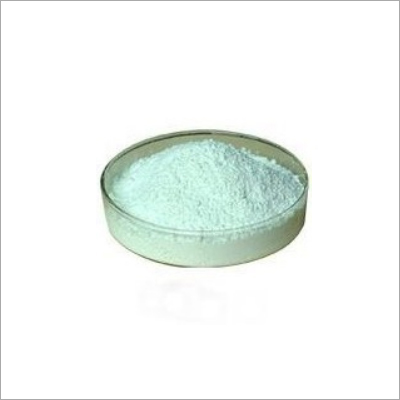
Optical Brightener Ob
Price 400 INR / Kilograms
Minimum Order Quantity : 50 Kilograms
Poisonous : Yes
CAS No : 7128645
Usage : Other, Used for brightening in plastics, paints, inks, coatings, polymer, fiber
Solvent Color : Bright yellowgreen

Contact Details

- 701, Ashok Heights, Gundavali Hill, Off Old Nagaras X Road, Andheri East, Mumbai - 400069, Maharashtra, India
- Phone : 08045475589
- Mr Jagdeep Mehta (MD & Chairman)
- Mobile : 08045475589
-
 Send Inquiry
S D INTERNATIONAL
ISO 9001:2015 CERTIFIED | GOVERNMENT OF INDIA CERTIFIED STAR EXPORT HOUSE
ISO 9001:2015 CERTIFIED | GOVERNMENT OF INDIA CERTIFIED STAR EXPORT HOUSE
 Send Inquiry
|


 Send Inquiry
 Send SMS
 Call Me Free
S D INTERNATIONAL
All Rights Reserved.(Terms of Use)
Developed and Managed by Infocom Network Private Limited.
Developed and Managed by Infocom Network Private Limited.

