 08045475589
 English
 Spanish
 French
 German
 Italian
 Chinese (Simplified)
 Japanese
 Korean
 Arabic
 Portuguese
 Get a Quote

X
Polyurethane Pigments Price And Quantity
- 50 Kilograms
- 380 INR/Kilograms
Polyurethane Pigments Product Specifications
- Organic Pigment
Polyurethane Pigments Trade Information
- 1000 Kilograms Per Month
- 1 Week
Product Description
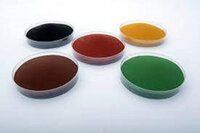
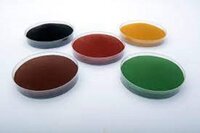
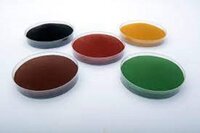
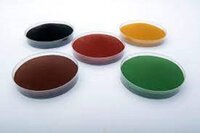
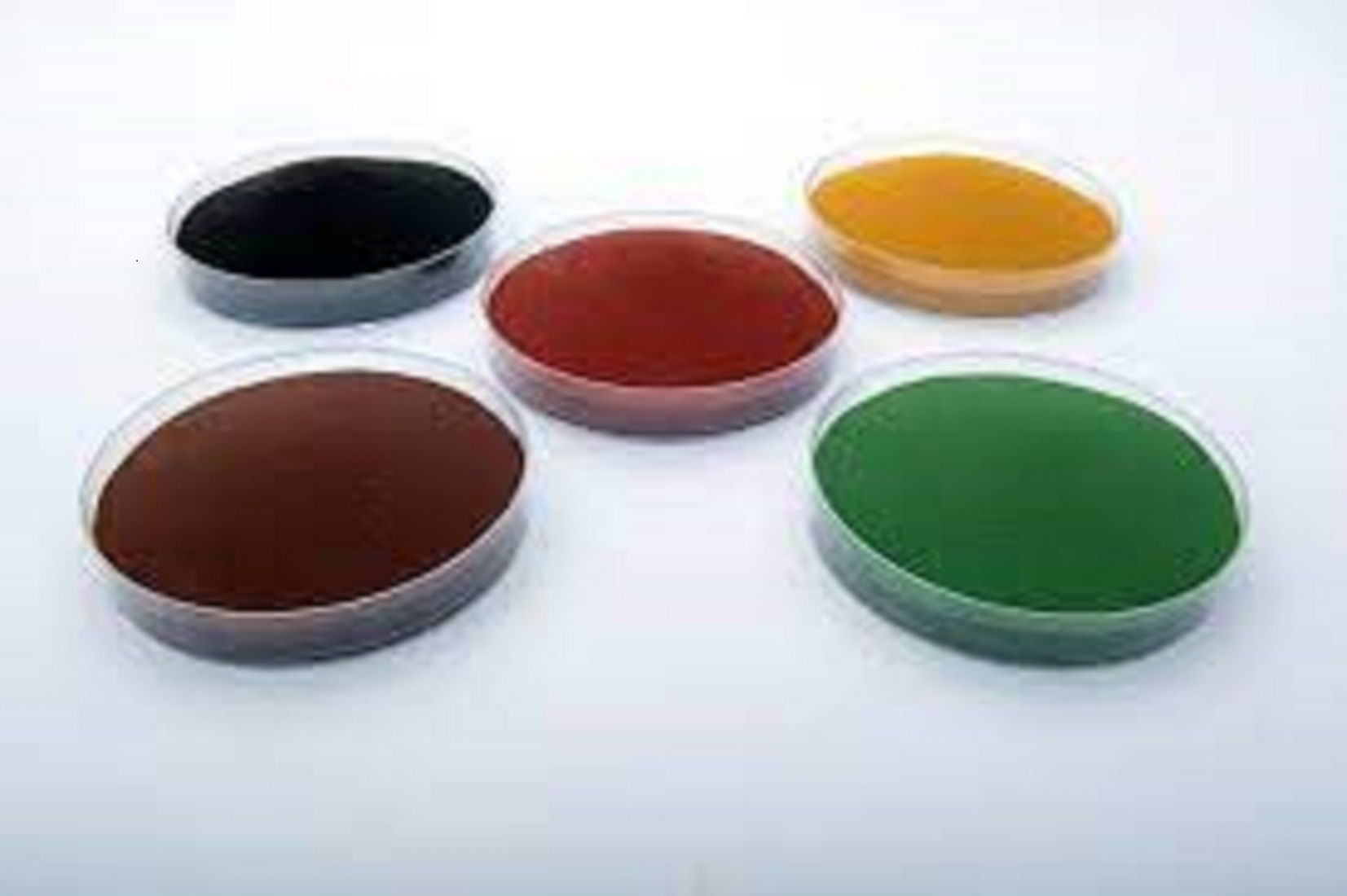
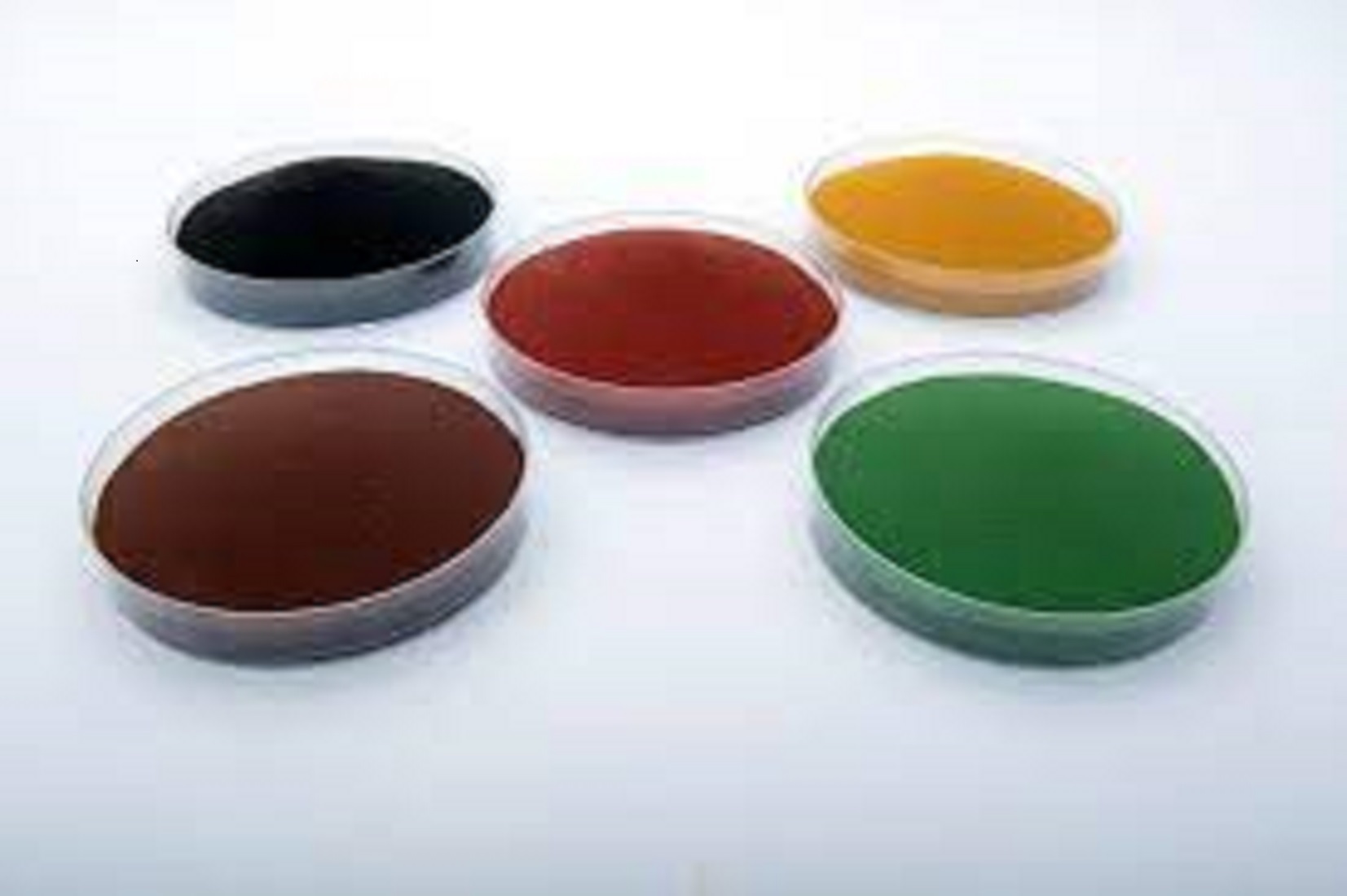
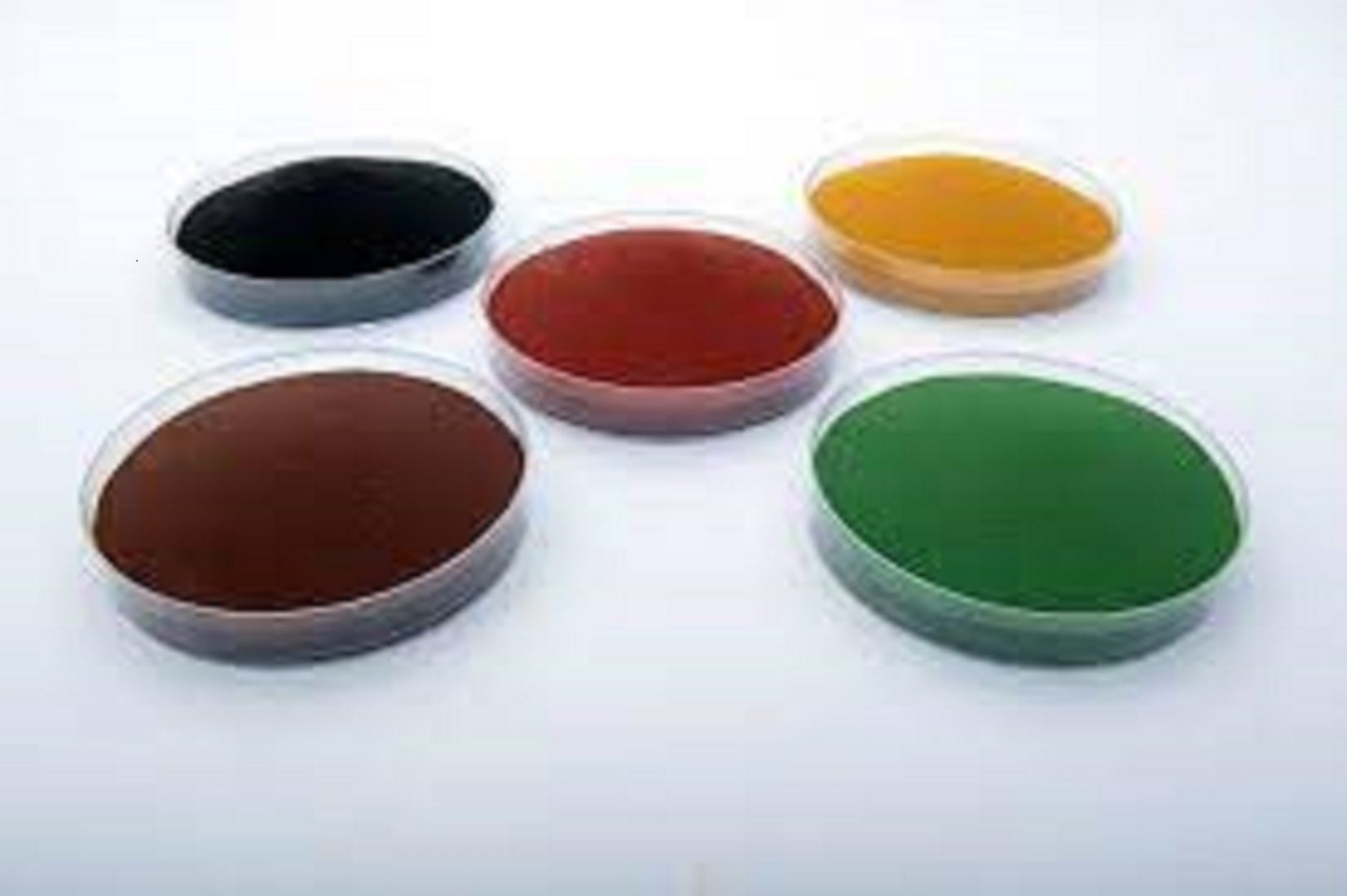
Polyurethane pigments supplied by us are used for the colouring of polyurethane or epoxy resins. These are needed to create opaque as well as transparent effects. These are specialized formulations which have their specific molecular weights. These are offered with many physical properties and are accessible with the pigment loading. These pigments are offered with long shelf life as well as superior chemical purity. They are used for foam manufacturing as well as several other production requirements. These boast of high abrasion resistance as well as resistance to cut & tear.
| Brand | SD International |
| Packaging Size | 10kg |
| Packaging Type | bag |
| Color | all colour |
| Form | Powder |
| Place of origin | India |
| Country of Origin | Made in India |
Tell us about your requirement

Price:
Quantity
Select Unit
- 50
- 100
- 200
- 250
- 500
- 1000+
Additional detail
Mobile number
Email

Other Products in 'Polyurethane Pigments' category




Contact Details

- 701, Ashok Heights, Gundavali Hill, Off Old Nagaras X Road, Andheri East, Mumbai - 400069, Maharashtra, India
- Phone : 08045475589
- Mr Jagdeep Mehta (MD & Chairman)
- Mobile : 08045475589
-
 Send Inquiry
S D INTERNATIONAL
ISO 9001:2015 CERTIFIED | GOVERNMENT OF INDIA CERTIFIED STAR EXPORT HOUSE
ISO 9001:2015 CERTIFIED | GOVERNMENT OF INDIA CERTIFIED STAR EXPORT HOUSE
 Send Inquiry
 Send Inquiry
 Send SMS
 Call Me Free
S D INTERNATIONAL
All Rights Reserved.(Terms of Use)
Developed and Managed by Infocom Network Private Limited.
Developed and Managed by Infocom Network Private Limited.

